Top of the Rocks
-Season 1
Episodes
1. Clay
Feb 27, 2023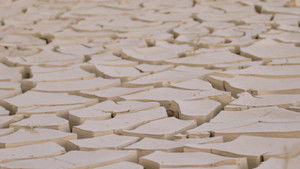
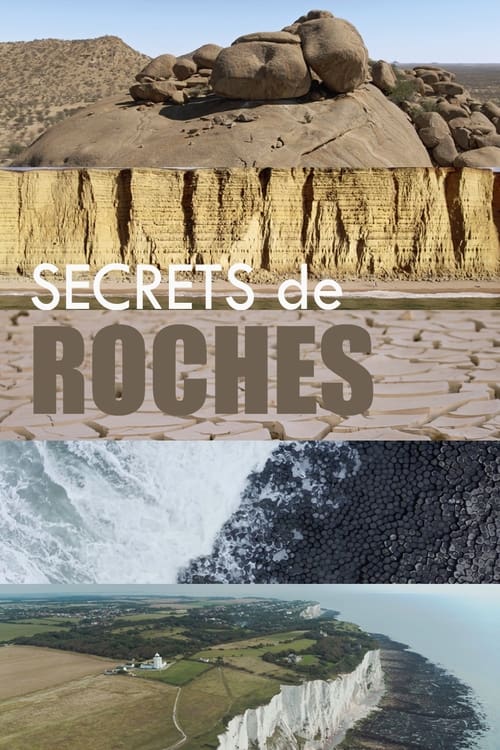
Clay is a particularly surprising rock. Soft and fragile when dry, it is malleable when in contact with water and can freeze permanently under the action of fire. Thanks to its peculiar properties, clay influences living things like no other rock. It has changed the course of history since Men have first discovered it. To better understand its particularities, we will go to India to meet researchers, potters and brick makers. In France, we will delve into the heart of the material to unlock its secret. In the United States, we will follow the work of scientists that highlight the role of clay for our planet’s ecosystems’ survival. In Namibia, we will accompany dust hunters and termite specialists.
2. Granite
Feb 28, 2023
Almost unbreakable, this rock constitutes much of the crust of our continents and the root of our mountains. This rock, considered as the base of the terrestrial world, is granite. To better understand its relationship to living organisms, we will travel to the United States, where researchers are trying to understand how such a hard rock influences plant life. In Namibia, we will follow the footsteps of funny animals, the Agamas, who cultivate a pronounced taste for the mineral. In France, we will start at the foot of the Massif de Bavella where we will discover the walls that climbers love so much. We will then go to Brittany where granite, the source of many beliefs, has changed the course of history; then in Alsace where the granite soil influences the flavor of wines, among the best in the world.
3. Sandstone
Mar 1, 2023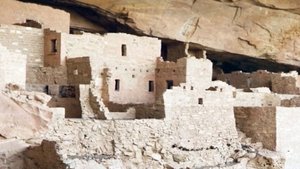
There’s a rock that crystallizes the beauty of the world more than any other. It’s sandstone. This rock, rich of the grains of sands that compose it, both porous and resistant, develops almost organics ties to the living and especially Animals and Men. We will begin our journey with its birth: on a beach in the south of England as it is from sand that sandstone is born. To better understand what links us to it, we will follow a geologist in the most sumptuous settings of the American West. In France and India, we will meet the last builders who extract and cut stones following ancestral methods. In Namibia, we will measure the influence of sandstone’s landscapes on wildlife. among the best in the world.
4. Basalt
Mar 2, 2023
There’s a peculiarly young rock at the scale of geological times. It comes from the bowels of the Earth and is born from the volcanoes’ fury. This rock is at the root of the most emblematic landscapes, legends and significant evolutions of the animal world. This rock is basalt. We will discover it in the Giant’s Causeway, in Ireland, where they inspire artists, painters and poets. To get a better grasp of its ties with the living, we will go to France where a team of researchers has just demonstrated that life could sustain in its pores. In India, we will see how plants and gemstones find their settings in its heart. We will travel through the United States and in Auvergne, where the first men, Indians and Cowboys maintained close ties to this rock. In Iceland, finally, we will see how it can be a future source of energy.
5. Limestone
Mar 3, 2023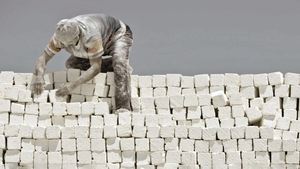
This rock is recognizable by its white color; the great builders have chosen it for their most edifying monuments. But even more surprising, it is born from the living and has maintained a filial relationship to it… This rock, which covers more than half of the Earth’s surface, is limestone! To unlock its secret, we will study the living organisms that make it up off the cliffs of Etretat, we will probe the ecosystem of the Dover region in England to get a grasp of its influence on the plant world. On Vancouver Island in Canada, we will explore galleries and caves where the mineral hosts a flourishing life. We will lose ourselves in the Catacombs of Paris. We will discover its harsh extraction in the quarries of Al-Minya in Egypt. In Namibia, we will walk in the footsteps of our distant limestone-dependent ancestors. Finally, off the coast of Florida we will be interested in a very strange animal made of flesh and rock.