Document 72 Hours
-Season 11

Episodes
1. A 400K "Survival Run" in Okinawa
Jan 10, 2020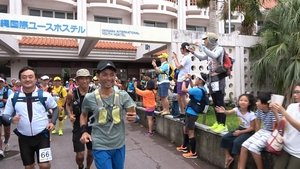
A liquor store in Ginza, Tokyo, boasts a selection of over 3,000 types of mainly wine and whiskey from around the world, including a bottle that costs over 18,000 US dollars. Their tastings attract many drink lovers: customers can choose from over 1,000 bottles, with each sample glass costing just a few dollars. There, we meet a man who has a collection of over 100 types of whiskey at home and a proprietress of a bar who has survived 40 years of fierce competition. A Chinese company president-cum-sake sommelier who exports sake shares a nugget of wisdom: if you like it, it's a good drink, regardless of the price. For 3 days, we asked liquor store customers about their drink of choice.
2. Aomori's Shimokita Peninsula ‘Wakeari Yokocho’
Jan 17, 2020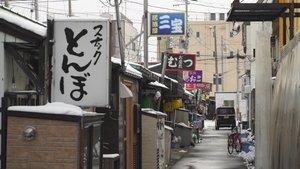
In December, in the Shimokita Peninsula of Aomori, there is a unique entertainment district in the center of Mutsu City. With over 200 snack bars and restaurants, “Shinto Shrine Alley” has been beloved by locals for years. An elderly woman runs a small drinking spot, a fisherman's son serves freshly caught fish at a pub, and a young person who moved from the city opened a stylish bar. This entertainment district is home to diverse shop owners. As the harsh winter approaches, this is the story of people living resiliently in a small town.
3. Akihabara: Infatuated With Electronics
Jan 24, 2020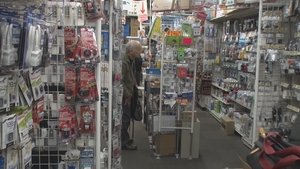
A store in Akihabara, Japan's biggest electronics town, sells over 100,000 electronics parts, including resistors, capacitors and circuit boards. Around 1,000 people come to the store every day, from professional engineers to people who like to build their own electronics for fun. Among the people we meet are a musician who makes his own effects units; a graduate student who makes drones to take a break from job hunting; and a man whose hobby of fixing car audio systems has turned into a job. For 3 days, we peeked inside the store to find out what it is people come to buy and what they hope to create with it.
4. Big Fish, Big Dreams
Jan 31, 2020
Every winter, anglers from across the country flock to one of Japan's most popular surf spots - Ishizakihama, in Miyazaki Prefecture, southwestern Japan. They all come in the hopes of catching the mulloway, a fish that approaches the shore around this time of year and can measure well over a meter in length. However, the chances of catching one is said to be as slim as winning the lottery. For 3 days, we spoke to the avid anglers who make every effort to capture these elusive creatures, and forge new friendships in the process.
5. Home for the Holidays: A Supermarket in Fukushima
Feb 7, 2020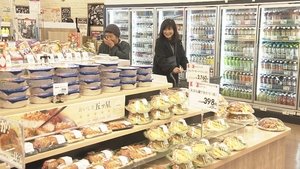
The Great East Japan Earthquake and the ensuing Fukushima nuclear disaster in 2011 forced all the residents of Namie Town to evacuate. When the evacuation order was partially lifted in 2017, some residents began returning to their hometown. In the summer of 2019, a large supermarket opened its doors to eager shoppers. In this episode, we spent 3 days at the supermarket during the busiest time of the year - around New Year's - and asked customers how their lives have changed since the disaster, and how they will be spending the holidays, 9 years on.
6. Kobe: The Street Piano from That Day
Feb 14, 2020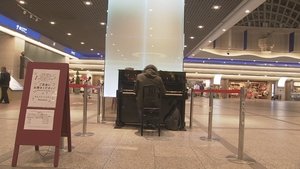
Recently, “street pianos” have become a common sight in shopping districts and stations across the country. The piano installed in the underground shopping street of Kobe Station attracts over 100 people on busy days to play it. Interestingly, this piano was once used at a kindergarten in the city during the Great Hanshin-Awaji Earthquake, and the scars from that time still remain. Whether aware of this history or not, many people come to play the piano. Twenty-five years have passed since the earthquake. What has changed, and what remains the same? This program explores the present-day lives of people living in Kobe.
7. Tokyo's Downtown 24-Hour Yakiniku Restaurant
Feb 21, 2020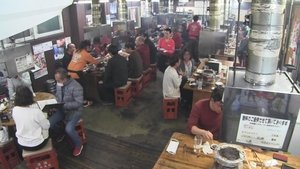
The setting is a 24-hour yakiniku restaurant in downtown Tokyo. Lunch starts at just 500 yen. People flock here day and night in search of hearty portions of meat at affordable prices. A group of security guards stopping by after their night shift, a couple living together who treat themselves to this once a week. Gathering around the charcoal grill, people share their true feelings that they wouldn't normally express. Meanwhile, there are also customers who quietly grill meat alone. This program takes a close look at a 24-hour barbecue restaurant in Tokyo's downtown area, where the aroma of delicious food fills the air.
8. From Gang Ties to Business Suits
Feb 28, 2020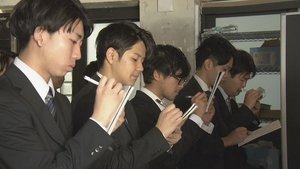
For junior high or high school graduates, or drop-outs struggling to find their place in society, landing a well-paid, steady job can be almost impossible. But one training center in Tokyo teaches these disaffected youngsters practical skills during a six-month internship and transforms them into workers that companies need. About 400 people have completed this program at the center, and many of them have found excellent jobs at major IT firms and other companies. For 3 days, we closely watched the youngsters determined to turn their lives around and start climbing the career ladder.
9. Spilling the Beans at a Coffee Stall
Mar 6, 2020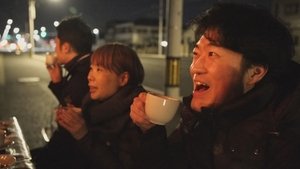
Two brothers in their 70's operate this unpretentious street stall that has only one item on the menu - coffee. The stall is set up each evening in Ashikaga City, Tochigi Prefecture, and has been a popular haunt for locals and visitors for almost half a century. Among the customers we met were: a successful psychiatrist who runs several hospitals; a company employee who always ends his week here; and a man who has been coming here since he was a little boy. For 3 days, we asked the customers about what makes this stall so special, and why they keep coming back.
10. Finding Solace at Inokashira Park
Jul 31, 2020
By late June, about 1 month after Japan's coronavirus state of emergency had been lifted, people had gradually returned to Tokyo's Inokashira Park. Among the visitors to the popular park's lush greenery and large pond were friends catching up after a long time being unable to meet; a comedy duo practicing to achieve their goal of finding fame; and a company employee leisurely reading a book and enjoying the outdoors after being stuck inside during the previous months. What inspired these people to come here? For 3 days, we asked visitors about what the park means to them.
11. Muscle and Bustle: A 24-Hour Gym in Tokyo
Aug 7, 2020
A large 24-hour sports gym in Tokyo's Harajuku district has members of all ages, sizes and strength levels. Among the people who come to lift weights are a man who started training to impress women; a woman finally spending time doing what she wants; and a man who used to be bullied in school but who is now a professional personal trainer. For 3 days, we asked members about what motivates them to continue coming to this gym.
12. Tanabata Wishes at a Tokyo Temple
Aug 14, 2020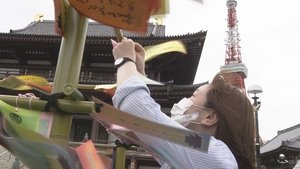
Many people in Japan celebrate the Tanabata Star Festival -- a tradition marked each July 7 -- by writing a wish on a thin sheet of colored paper and tying it to a bamboo branch. Zojoji Temple, which stands near the base of Tokyo Tower, holds an annual festival during which visitors write their deepest wish in the hope it will come true. Among the visitors to the temple in the days leading up to Tanabata were a woman longing to meet a man she has had a crush on for 10 years, a couple worried that the coronavirus pandemic might jeopardize their bonuses and an Australian woman who comes every year with a message for her deceased father. For 3 days, we asked people at the temple about the wishes -- ranging from the modest to the extravagant -- they penned and the stories behind them.
13. Ishikawa Nagisa Driveway: Memories on the Sandy Beach
Sep 4, 2020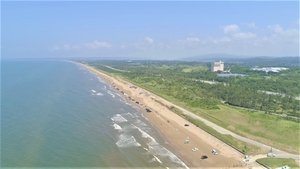
A rare sandy beach road in Japan where you can drive along the shoreline. The setting for this episode is the Nagisa Driveway in Ishikawa Prefecture. The sand grains are fine, and when seawater seeps in and compacts them, they become hard enough for cars to drive on. This mysterious sandy beach attracts a variety of people. Young people come to enjoy the exhilaration, couples celebrate their birthdays here every year, and families return to reminisce about special memories. What kind of memories have they carved into this sandy beach? Over three days in summer, we listen to their stories by the shoreline.
14. Tokyo Taxi Oasis
Sep 11, 2020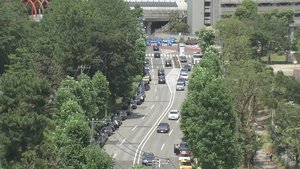
A road near Tokyo's Roppongi district is an oasis for taxi drivers who are allowed to park here for as long as they like. There, the drivers can relax, eat and even sleep on a break. As the coronavirus pandemic rumbles on, how do drivers feel about their jobs? The drivers we met included one who started this career after the pandemic erupted, one thinking of quitting because his income has plunged and another who cannot quit because he has a family to support. For 3 days, we asked drivers who parked along this road about their job and what the future holds.
15. Tokyo's Sumida River: A Quiet Summer Without Fireworks
Sep 18, 2020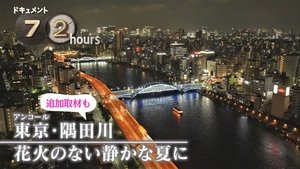
The Sumida River Fireworks Festival, which usually colors Tokyo's summer, has been canceled. During this quiet summer, we spend three days walking around the Sumida River promenade. We meet people who talk candidly even though they have just met, and young people whose dreams have been shattered by the coronavirus. A man who fell in love with Asakusa and plays the guitar by the river, and an elderly man who comes every day to reminisce about his late wife. Through the lives of the various people encountered along the river, this program documents the present moment, which is shifting despite the turmoil caused by the novel coronavirus.
16. Why I Play an Instrument
Sep 25, 2020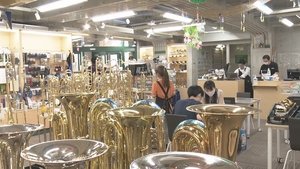
The stage is a specialty store for wind instruments that boasts one of the largest selections in the country. With over 1,000 saxophones, trumpets, and other instruments on display, and repair services available, it attracts enthusiasts. People who have come to buy the instrument they’ve always wanted, or those who are thrilled to resume practice and play again. A blind music teacher repairing a clarinet for an autistic student. The world of music has fallen silent due to the COVID-19 pandemic. What are people thinking as they face their instruments and play? We listen closely for three days.
17. Adios, El Dorado Carousel!
Oct 2, 2020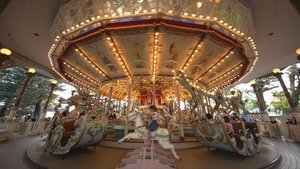
The closure of Tokyo's Toshimaen amusement park in August 2020 marked the end of an era. For decades, El Dorado, the park's wooden carousel, was a popular attraction with visitors young and old. In the days before the park closed, visitors flocked to the carousel for a final ride, including an elderly couple who came on dates here before they married; a young man reminiscing about happier times with his family; and a woman who wants her late mother to see that she is back on her feet. For 3 days, we asked why this ride held such a special place in the hearts of so many people.
18. Seeds of Happiness at a Tokyo Garden Center
Oct 9, 2020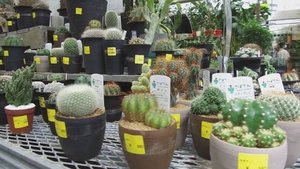
As many people have spent more time at home during the coronavirus pandemic, gardening has become a popular hobby. Tokyo's garden megastore with over 100,000 varieties of plants is the go-to place for people wanting flowers, vegetables, bonsai trees or rare shrubs. The center's customers include a man inspired by a cactus' power to survive, a woman who buys weakened plants so she can help them recover and a woman who feels most relaxed when she tends to her plants. For 3 days, we asked what plants mean to them.
19. Kabukicho: Farewell to the Cabaret of Humanity
Oct 16, 2020
The setting for this episode is a long-established cabaret in Shinjuku's Kabukicho district that closed its doors in February of this year, much to the regret of many. The establishment, which retains a strong atmosphere of the Showa era, attracts a variety of customers. There are men who come to enjoy their last conversation with their favorite hostesses. There are women who used to work as hostesses here and have come to pay their respects to their former colleagues. A singer who says she learned about life here takes the stage for the last time. A cabaret where various lives intersect. A look at the three days leading up to the closure. *Filming took place in February.
20. Giving Kitchen Equipment New Homes
Oct 23, 2020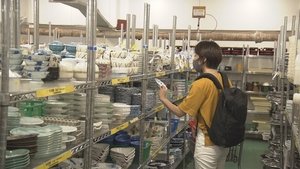
A Tokyo store selling cheap, good-quality kitchen equipment is a boon for restaurant owners, especially during the coronavirus pandemic. The store sells over 9,000 kinds of products, ranging from fridges to pots and pans to cutlery. Among customers we met were an owner of a Japanese-style bar who started meal deliveries; and a couple opening their dream café. The store also receives a steady stream of requests to buy equipment from restaurants that have shut their doors. For 3 days, we asked operators who shop here about what's on their minds as they search for their new equipment.
21. The Zoo on a Hill
Oct 30, 2020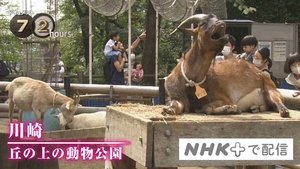
It's small and has only a few large animals, but a hilltop zoological park in Kawasaki, Kanagawa Prefecture, has captured the heart of locals for decades. It is home to about 60 different species and is frequented by many, especially since the outbreak of the coronavirus pandemic which has made it difficult to travel far. Among the visitors to this free admission zoo are people on family outings; a woman who comes on various milestones in her life; and a young couple who come at night to find nocturnal creatures in the park. For 3 days, we asked visitors why this seemingly ordinary zoo has become a special place for so many people.
22. Sapporo Born and Bread: A 24-Hour Sandwich Shop
Nov 6, 2020
With over 40 kinds of handmade sandwiches including egg, mince cutlet and even fruit available, it could be the wide selection that draws customers to this small shop near Sapporo's Susukino entertainment district. However, this shop has another major attraction: it is open 24 hours a day. Among the customers we met, include a female owner of a nearby bar; a mother preparing breakfast for her family at 4 AM; and a nightclub host needing a snack before work. For 3 days, we spoke to the customers dropping by this shop that never sleeps.
23. Opening New Doors at a Furniture Outlet Store
Nov 13, 2020
A major furniture outlet store in Chiba Prefecture boasts a stock of roughly 1,400 items from beds, sofas to tables. Customers are increasing since the outbreak of the coronavirus pandemic as people are staying in more and seeking to make their homes more comfortable. Among the customers we met were a man searching for a dining table hoping to spend quality time with his family, and a woman who is replacing all her furniture to surround herself with only the things she loves. The choices they make tell us something about who they are, and the changes and challenges they face in life. How do they picture their future? For 3 days, we listened to their stories.
24. At the Pet Cemetery Where Animals Rest in Peace
Nov 20, 2020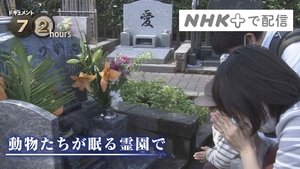
The setting is a pet cemetery in Fuchu City, Tokyo, which has been in operation since the Taisho era. It has graves and columbariums for pets such as dogs and cats, and former owners visit daily to pay their respects. A woman who says her beloved dog helped bring her family closer together. A man who visits every weekend to pay respects to his guinea pig, which helped ease his loneliness. Funerals are also held at the cemetery, and some owners attend the cremation. As pets become increasingly integrated into families, what are the thoughts of those who visit here? Over three days, we listen to their voices.
25. Tokyo Dry Cleaner's: Reviving Clothes, Reliving Memories
Dec 4, 2020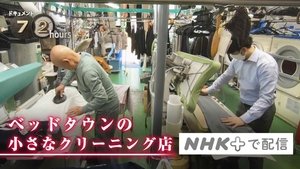
A small dry cleaner in a western Tokyo commuter town is known for removing stubborn stains from garments and items that are precious to the owner. Among the customers are a woman who skipped getting her winter clothes cleaned during the coronavirus state of emergency; a nightclub waiter who gets his tailor-made suit cleaned monthly; and a woman who has taken it upon herself to raise her granddaughter. For 3 days, we asked customers about the tale behind each item getting carefully cleaned.
26. Shimanami Kaido: A Ride Along Life's Cycle
Dec 11, 2020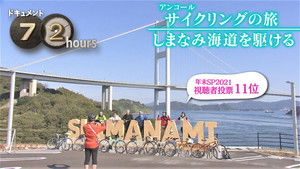
The 70-kilometer Shimanami Kaido cycling route, which links Honshu and Shikoku via a chain of bridges and islands, is a magnet for cyclists from across Japan - and even further afield. Among the people we met pedaling along this route were a father and son who come every year; a farmer reliving his youthful days on 2 wheels; and a middle-aged couple now able to spend more time together. Why is this route so special to them? For 3 days, we spoke to cyclists riding the Shimanami Kaido, come rain or shine.