Document 72 Hours
-Season 12

Episodes
1. Warming Body and Heart at a Yakiimo Shop
Jan 22, 2021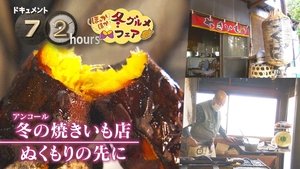
On a cold winter day in Japan, a piping-hot sweet potato baked so a natural sweet syrup oozes from its skin is hard to beat. An old-fashioned, no-frills shop in Ibaraki Prefecture sells these potatoes that warm the body and heart. Customers there include a woman sending potatoes as a gift; a mother buying a treat for her young daughter; and newlyweds sharing a potato and enjoying the simple things in life. For 3 days at the end of a year in which life was turned upside-down, we ask people about why they crave this simple, warming snack.
2. Tanga: The Market With a Big Heart
Jan 29, 2021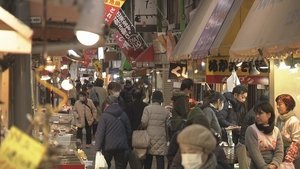
Tanga Market, a century-old market of 120 shops in western Japan, is known as the "kitchen of Kitakyushu." Although the market will soon be redeveloped, its old-fashioned charm keeps pulling in shoppers. Among the customers there were a man who feels at home at the market, even if he does not buy anything; an elderly woman grumbling about having to cook her son's meals; and a young couple bewitched by the variety of foods sold there. For 3 days in late December, we explored why this market remains so popular.
3. Seeing Out 2020 in the Heart of Tokyo Bay
Feb 5, 2021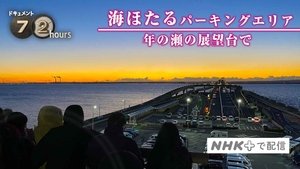
The Umihotaru parking area in the heart of Tokyo Bay offers 360-degree views of the surrounding area. Among the visitors we met over 3 days at the end of 2020 were a married couple who dropped plans to visit their distant hometowns over the New Year; a man who listens to pilots flying overhead communicating with air traffic controllers; and a couple who have been dating for less than a week braving the gale. At the end of a year dominated by the coronavirus pandemic, we asked visitors what is on their minds as they take in the ocean scenery.
4. The Old Year and the New Year in a Multinational Housing Complex
Feb 12, 2021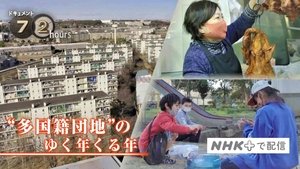
The setting is one of the country's leading “multinational housing complexes,” where 20% of the residents have foreign roots, including Vietnam, Cambodia, and China. How do they spend the New Year's holiday in a foreign country? A pair of Cambodian residents buying ingredients for New Year's. A Laotian couple who never fail to visit their neighbors to offer New Year's greetings. A girl with Vietnamese parents says she learned kindness in the housing complex. Due to the impact of COVID-19, it was an unusually quiet New Year's Eve. For three days, we listened to the voices of the people living together in the housing complex.
5. Fukushima Bento Shop: Serving Meals and Hope
Mar 12, 2021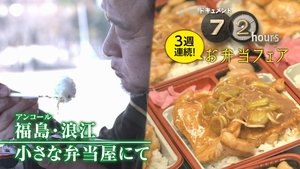
It has been 10 years since the Great East Japan Earthquake and tsunami occurred, and nuclear meltdowns forced the town of Namie to evacuate. Work to decontaminate and rebuild this part of Fukushima Prefecture is still ongoing. For many workers here, a bento shop is a vital source of cheap, hearty food. The customers at the shop included a dump truck driver who says that the town still feels empty; a man who has been engaged in decontamination work for a decade; and an elderly woman who says that she prefers to be in Namie even if there's nobody around. For 3 days, we asked what this shop means to the customers - and this town.
6. Document 1DAY: Yokohama Under Emergency Declaration
Mar 19, 2021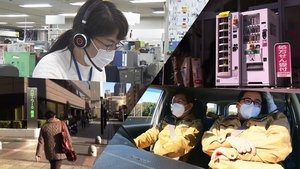
A 72-hour spin-off project. A multi-location simultaneous documentary of a day under emergency declaration. Cameras are set up at health centers, special cleaning companies, PCR testing vending machines, and in front of Hello Work in Yokohama City. Public health nurses working hard to support positive patients. Cleaning companies contracted by companies with infected employees to perform disinfection. People who are unemployed due to the coronavirus but are still looking forward to the future. A society where normalcy has changed. What are people thinking as they face the present? A record of one day.
7. Life Stories at a Hospital Convenience Store
Apr 2, 2021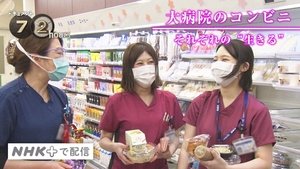
A convenience store inside a major hospital in Kamakura City, just south of Tokyo, is open around the clock for doctors, nurses, patients and their families. Among the customers were a nurse buying herself a sweet treat after finishing an emergency operation; a patient who bought more than 10 books to read and pass the time; and an on-duty doctor needing an energy boost in the wee hours. Even though many people are staying home during the state of emergency, the hospital remains as busy as ever. For 3 days, we asked the customers what they were buying and why they were there.
8. New Beginnings from an Osaka Bus Terminal
Apr 16, 2021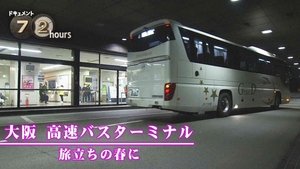
In Japan, spring is a time when many people move for school or work. A highway bus terminal linking Osaka Prefecture with over 60 cities is a magnet for people starting the next chapter in life. Among those we met at this terminal were a couple visiting their hometown for the first time in a year; a woman getting engaged to her long-distance boyfriend; and a newly grad moving out of his mother's home to start a new job far away. For 3 days in mid-March, soon after the COVID state of emergency was lifted, we asked people at the terminal where they were going, and why.
9. Starting Fresh: One-Stop Uniform Shop
Apr 23, 2021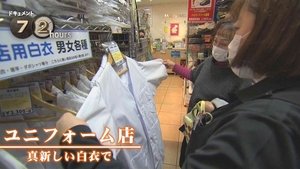
A uniform specialty store in Shinjuku, Tokyo, sells an exhaustive range of attire for medical staff, chefs, security guards and various other workers. What does a brand-new uniform mean to these workers? For 3 days in mid-March, we asked that question to customers including a dentist expanding their wardrobe; a restaurant part-time worker buying new shoes; and the owner of a traditional Japanese restaurant desperately trying to keep her business afloat during the coronavirus pandemic.
10. Water Taxis: Across the Sea and Beyond
Apr 30, 2021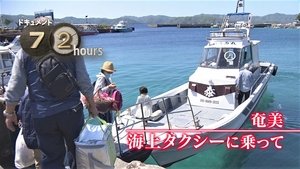
For the approximately 1,100 residents of Kakeroma Island in southern Japan, water taxis that travel to Amami Oshima, a nearby larger island, are a vital mode of transport for going shopping or to work. Among the people using these boats during 3 days in late March were a woman who had stocked up at a supermarket; a family who had moved here from Tokyo; and a teacher being transferred after completing his post at a school with 18 students. We explored the role these boats play in daily life here and in keeping community ties strong.
11. Ginza Snack Rhapsody
May 7, 2021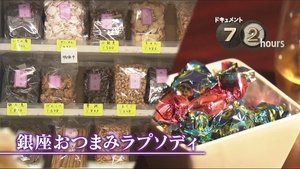
The setting is a long-established snack specialty store in Ginza. It is a favorite among nearby bars and clubs, offering about 300 varieties of snacks such as rice crackers, nuts, and chocolate. A woman who opened a club in Hakata, Nakasu, came all the way to buy from here. A bar master who has been ordering their green peas for over 20 years. Lately, due to its wide selection, not only restaurants but also general customers often come to buy. Ginza, heavily affected by the pandemic. What life dramas can be seen through snacks?
12. The Station Under the Cherry Blossoms
May 21, 2021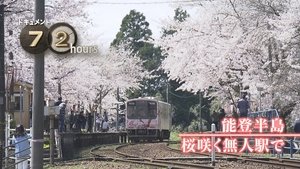
A small, unmanned train station on the Noto Peninsula facing the Sea of Japan, is quiet for most of the year. But each spring, the station comes to life as about 100 cherry blossom trees flanking the tracks burst into bloom. The visitors included a woman and her elderly mother admiring the view of the petals, trains and nearby ocean; a man reminiscing about an inspiring high school teacher; and an elderly couple who helped plant some of the trees and who volunteer to keep the station clean. For 3 days, we asked people what the blossoms at this station mean to them.
13. Quiet Prayers at a Secluded Shrine
Jun 11, 2021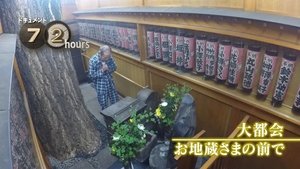
Near the towering apartment buildings in Tokyo's Tsukuda area is a blink-and-you'll-miss-it alley. But tucked away down the narrow passage is a stone carving of a Buddhist guardian deity and a centuries-old ginkgo tree. Some people come to this small, secluded site to pray for good health, others for business prosperity or a better relationship with their spouse. Some just drop by to clear their mind. For 3 days, we asked visitors why they come to this unique spot loved by locals for almost 300 years.
14. Why I came to the blood donation center
Jun 18, 2021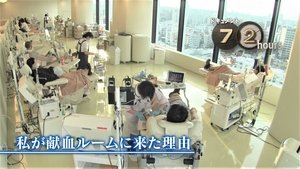
The setting is a blood donation center near Skytree. Although the observation deck is closed due to the state of emergency, about 60 people come to donate blood every day. A company employee visits after hearing that there is a shortage of blood due to people staying home. A part-time worker says that coming here gives her a sense of relief amid her busy life. Some people feel confident because they can donate blood even though they are on leave from work. In a world where leisure time has decreased due to the pandemic, these are the people who donate blood for others. What are their reasons for coming here? We listened to their stories over three days.
15. Taking a Break at a Coffee Bean Stand in Kyoto
Jun 25, 2021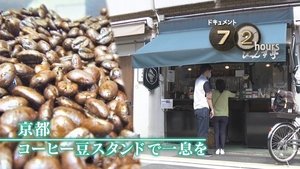
The setting is a stand-style specialty coffee bean shop in the heart of Kyoto. Kyoto, known for its traditional Japanese culture, actually has the highest coffee consumption in Japan, and many people come here seeking beans roasted on-site. A university professor who says coffee is indispensable as a study aid. A man who finds roasting green beans himself helps him stay calm. The shop also sells coffee, and for some, this one cup is a lifeline in their busy daily lives. In these times, how are people taking a break? For three days, we listened to their stories.
16. Tokyo Stationery Store: Messages from the Heart
Jul 9, 2021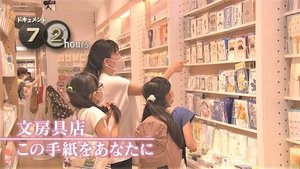
Meeting in person isn't easy these days, so sending a written message is a personal way to stay in touch. A stationery shop in Ginza, Tokyo, has over 5,000 items in a two-floor card and letter pad section. The customers included a man writing to his wife on their wedding anniversary for the first time; a company worker sending messages to clients she cannot meet due to coronavirus restrictions; and a woman cheered by handwritten letters from her grandmother. For 3 days, we asked what messages they would write.
17. Giant Tropical Fish Store: A Life with Small Lives
Aug 20, 2021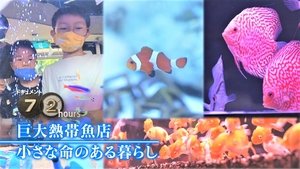
The stage is a giant tropical fish store, one of the largest in the country. The aquariums contain 400 species of fish, including betta, discus, medaka, and arowana, making it look like an aquarium. An 80-year-old regular customer says he enjoys just staring at the fish. A family that started keeping medaka, which are currently popular, says it has increased family conversation. A nurse affected by the pandemic shares how she found solace in caring for small fish while struggling to connect with others. As people spend more time at home, what emotions do they feel toward these tiny lives? Over three days, we listen closely to their stories.
18. Midsummer Tokyo: The Phantom Marathon Course
Sep 10, 2021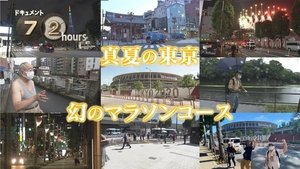
Leaving the National Stadium, the 42.195 km course loops around Asakusa, Tokyo Tower, and other landmarks before returning to the starting point. This was the planned course for the Tokyo Olympics marathon before it was moved to Sapporo. What kind of encounters would you have if you walked this phantom course during the Olympics? A woman worried about COVID-19 goes to an idol concert. The owner of a bookstore in Jimbocho who regrets that it was once a viewing spot. Three days of walking through the night, listening to the voices of people encountered by chance along the way, and observing the present state of Tokyo.
19. The Fishermen's Convenience Store
Sep 17, 2021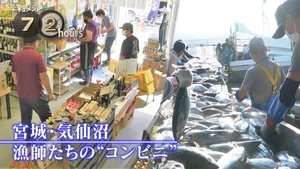
As bonito season peaks in mid-July, the port in Kesennuma, Miyagi Prefecture, buzzes as fishermen unload their catches and prepare to return to sea. A portside store selling food and other vital supplies is a magnet for these men. Among the customers were a tuna fisherman soon to depart on a yearlong voyage; saury fishermen buying compact futon for their onboard sleeping quarters; and a captain stocking up on snacks for his 23 crew members. For 3 days, we asked these men about the lure of this store - and the ocean.
20. Fireworks Shop: Lighting Up a Quiet Summer
Sep 24, 2021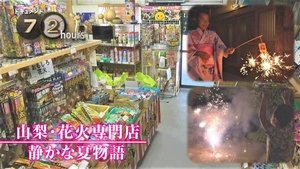
From handheld sparklers to skyrockets and novelty fireworks, a small shop in Yamanashi Prefecture sells over 400 kinds of fireworks. Locals and visitors flock to this shop during a summer when many large fireworks displays were canceled. Customers included a family buying fireworks with a curry fragrance; an elderly couple buying an assortment for their grandchildren; and a worker at an elderly care facility hoping to give the residents a colorful thrill. For 3 days, we asked people why fireworks were special to them.
21. Salvaging Bargains at a Tokyo Grocery Store
Oct 1, 2021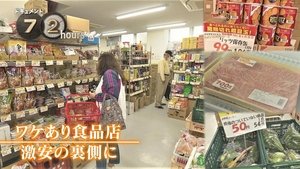
A store in a Tokyo suburb selling short-dated, surplus or imperfect yet edible food items cheaply is a magnet for thrifty shoppers. They can find vegetables costing just 27 US cents, a bottle of beer for 30 cents, and a pack of meat costing less than 1 dollar. The customers included a young woman trying to stretch the food budget for her family of 9; a woman and daughter who drive for an hour to buy meat; and a man thrilled by finding an unexpected bargain. Why do people come to this store that also reflects the huge volume of food discarded in Japan? For 3 days, we talked to customers hunting a bargain while filling their shopping baskets.
22. At an Underground Bicycle Parking Lot
Oct 22, 2021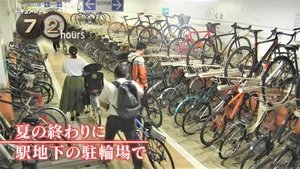
The huge underground parking lot at Tokyo's Kasai Station can hold about 10,000 bicycles. Each day, from very early until very late, workers, students and other commuters store their bikes at this facility. They included a cleaner heading to central Tokyo on the day's first train; 2 high school girls staying close to home due to the coronavirus; and a woman holding down 2 jobs to support her family. For 3 days, we asked parking lot customers about where they were going - and why.
23. Listening at an Earphone Specialty Store in Akihabara
Nov 5, 2021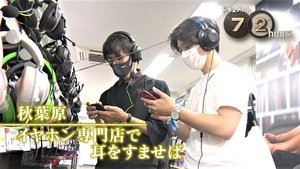
Akihabara is one of Japan's leading electronics districts. The stage is a specialty store that handles about 5,000 types of audio equipment, such as earphones and headphones. With the increase in online meetings and classes, the demand for earphones is growing. A businessman came to buy the latest wireless earphones. A parent and child tried out gaming headphones. A man who visits every week to carefully select earphones costing over 100,000 yen, planning to buy them with his winter bonus. Over three days, we listen to the worlds they envision beyond the earphones they seek.
24. Drone Training Ground: Take Flight into the Sky
Nov 12, 2021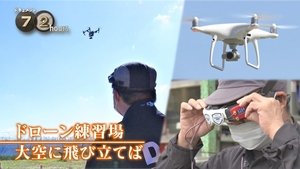
Unmanned aerial vehicles, or drones, are used in a variety of fields, such as aerial photography and disaster assessment. They also attracted attention at the opening ceremony of the Tokyo Olympics. The setting is a drone training ground in the suburbs of Chiba. Parents and children are enthusiastic about small drone races. A man practices aerial photography, saying it's like seeing the world from a bird's eye view. Some people have just started because they believe it is an industry with a promising future. Drones require a bit of effort, such as obtaining an amateur radio license and submitting applications. What are people seeking when they fly them? Over three days under the autumn sky, we listen in.
25. Hair and Makeup Salon: Grooming the Eyebrows and Mind
Nov 19, 2021
With half of the face covered by masks, eyebrows can make a big statement. About 80% of the customers who visit the hair and makeup salon in Namba, Osaka Prefecture, come to get their eyebrows done. Among the customers we met were an office worker who became conscious of his bushy brows during video calls, and a woman freed from her eyebrow issues from the past. Roughly a third of the customers are male, including businessmen who come not only to groom their brows but also to calm their mind. For 3 days, we asked the people about their reasons for coming to this salon.
26. Big City: 24-Hour Cheap Bento Shop
Nov 26, 2021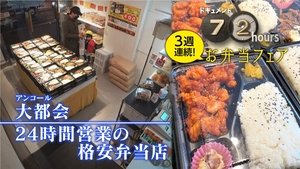
A 24-hour bento shop located in Okubo, Shinjuku Ward. All bentos, including fried chicken, grilled meat, and mapo tofu, are priced at 290 yen each, making them extremely affordable. Over the three days spanning the House of Representatives election and Halloween, customers with various circumstances come to the shop. College students drawn by the low prices, struggling comedians and hosts. Chinese immigrants nostalgic for their homeland, drawn to the Asian-style side dishes. Men working night shifts always visit at 4 a.m. What are they seeking here? A glimpse into the present of the metropolis.
27. Boards and Bonds at a 24-Hour Skateboard Park
Dec 3, 2021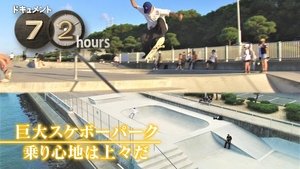
A large 24-hour skateboard park in an industrial area of Hekinan City, Aichi Prefecture, is popular with skateboarders of all ages and abilities. It is free and packed with fun obstacles; this facility attracts skaters including a 60-year-old who often comes on weekends, a mother taking a break from the hectic days of raising a young family, and men from overseas who work in the nearby auto industry plants. Why are they so passionate about doing tricks and jumps on 4 wheels? For 3 days and nights, we asked them.
28. Tokyo, Koganei: At the Neighborhood Water Pumping Station
Dec 10, 2021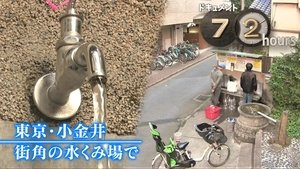
The setting is a local “water pumping station” where natural groundwater flows. Located between apartment buildings in Koganei City, Tokyo, it's an inconspicuous spot, yet people keep coming to fetch water. A local woman brings a large number of plastic bottles. A nearby college student holds a kettle in one hand, saying he was asked by his mother. A nearby vegetable shop uses water from this well to cook dishes in large pots. This area is known for its high-quality groundwater. What are the reasons behind each person's decision to come here to collect water? Over three days, we listen to the stories at the street corner water well.
29. Finding Your Style at a Used Clothing Store
Dec 17, 2021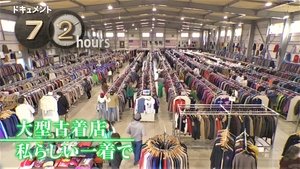
A huge used clothing store in Atsugi, Kanagawa Prefecture, has racks filled with 100,000 garments including jackets, jeans and sweaters. The customers at this clothing treasure trove included a woman who prefers wearing oversized men's clothing; a man who likes a quiet drink while admiring the second-hand clothing he displays at home; and a high school student who wears her father's clothes. For 3 days during an autumn lull in the coronavirus pandemic, we asked shoppers what they came to buy to jazz up their wardrobes.